Program
Two days. Mornings are shared — everyone in the same room. Afternoons open into parallel sessions where you choose your own path. Each day closes with something that makes the learning stick.
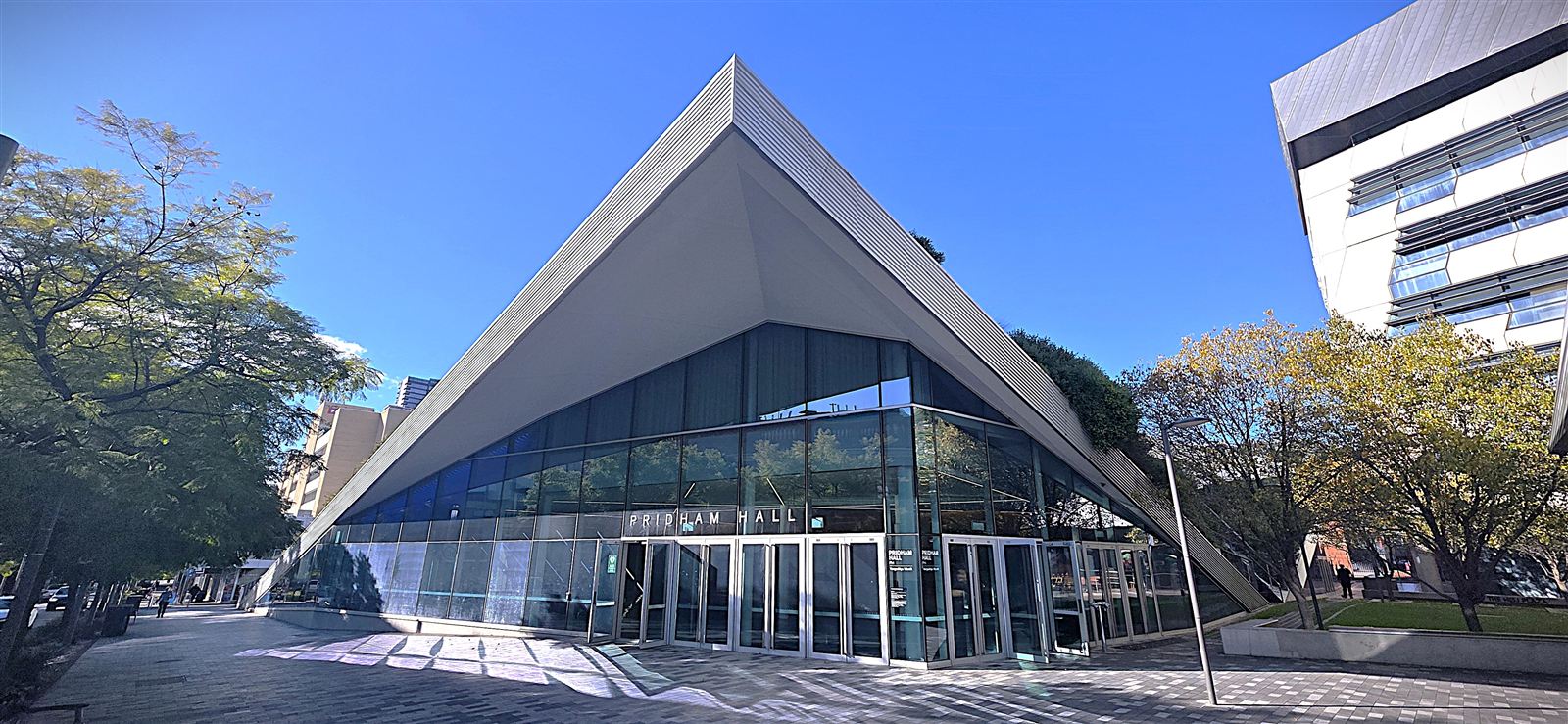
Day One · Nov 12 · Venue
Pridham Hall
01
Day One
Nov 12
8:30 – 9:00
Arrival & Registration
Pick up your name badge, grab a coffee, and connect with fellow participants before we begin.
9:00 – 9:30
Welcome & Opening
Formal welcome from C3L, housekeeping, and an overview of how the two days are structured.
9:30 – 10:30
Plenary Talk
Control, Value, and Emotion: What AI Is Doing to the Learner's Experience
AI is quietly reshaping how learners experience control, value, and emotion in their work. Reinhard Pekrun puts control-value theory to work as a measurable lens on AI-mediated learning, with a sharp focus on the methods — how to capture achievement emotions and design studies that reveal whether AI supports or undermines them.
With Reinhard Pekrun
10:30 – 11:00
Morning Break
11:00 – 12:30
Breakout — Part I
Workshop Sessions
Choose one of our parallel sessions and go deep. Each 90-minute block is designed to be hands-on, conversational, and directly applicable to your work. You will stay with the same session for Part II after lunch.
See all sessions →
12:30 – 2:00
Lunch
2:00 – 3:30
Breakout — Part II
Workshop Sessions (continued)
A second 90-minute block with the same session and speakers. Go deeper, work through your questions, and consolidate what you've covered in the morning.
See all sessions →
3:30 – 4:00
Afternoon Break
4:00 – 6:00
Showcase
Share Your Work, Meet Your Collaborators
Bring a slide, a prototype, a finding, or just an idea you're wrestling with. This is your moment to share what you're working on with a generous, curious audience — followed by drinks and open networking.
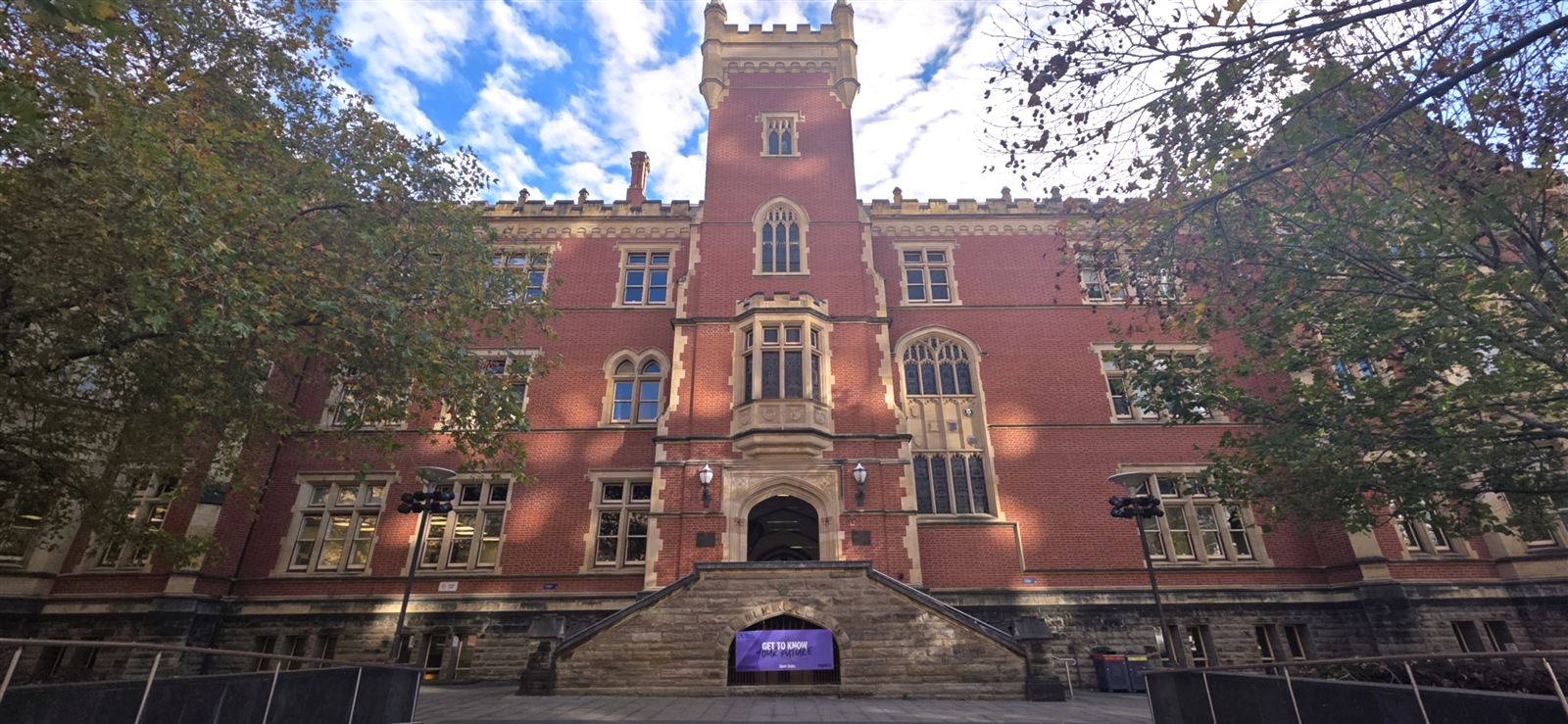
Day Two · Nov 13 · Venue
Brookman Hall
02
Day Two
Nov 13
8:30 – 9:00
Arrival & Registration
Welcome back. Coffee is on.
9:00 – 10:30
Plenary
Making Sense of Day One — and Navigating the Funding Landscape
We open Day Two with structured reflection on what surfaced yesterday, then shift to one of the most practical questions in academic life: how do you fund the work that matters? A session on the ARC landscape — what reviewers actually look for, how to position your work, and where early-career researchers tend to lose points.
With Sam Sellar
10:30 – 11:00
Morning Break
11:00 – 12:30
Panel Discussion
Three Speeds of AI Literacy: Global, National, Local
Join us to discuss how AI literacy is unfolding at three speeds at once — global research setting the agenda, national frameworks translating it into policy, and schools working out what it means day to day. This panel brings those layers into the same conversation: where they align, where they pull apart, and what it takes to close the gap.
With Mutlu Cukurova, Melanie Hughes, Lisa-Angelique Lim, and Adam Biggs
12:30 – 2:00
Lunch
2:00 – 3:30
Parallel Session — Research Clinic
Design Your Next Move
Bring a half-formed idea — a grant concept, a research design, a school partnership you're trying to shape, or a tool you want to build. Small groups rotate through facilitators who offer structured feedback and help you leave with something concrete: a clearer question, a sharper pitch, or a first draft of a plan.
Facilitated by Vitomir Kovanovic, Negin Mirriahi, and Ryan Baker
2:00 – 3:30
Parallel Session — Policy Workshop
AI Policy Through Futures Thinking
AI policy written for today's tools is often out of date by the time it's approved. This workshop uses futures thinking to design policy for the futures it will actually have to govern — scanning for signals of change, building contrasting scenarios for AI in education, and working back from them to the principles and decisions that hold up across all of them. You'll leave with a set of policy moves stress-tested against more than one possible future.
With our Impact Hub Champions
3:30 – 4:00
Afternoon Break
4:00 – 5:00
Closing
What We're Building Together
We close not with a summary but with a commitment. What collaborations are forming? What follow-up do we need? Participants share intentions, facilitators map connection points, and we sketch what comes next for this community.