Speakers
The people behind the sessions.
The Adelaide School brings together researchers and practitioners from C3L and partner institutions across Australia and beyond. Sessions are led by people who are actively working on the problems they’re presenting — not talking about work they did a decade ago.
The program is to be confirmed. Speakers and sessions are subject to change. Further profiles will be added as the program is finalised.

Reinhard Pekrun is a professor of psychology at the University of Essex, United Kingdom, and a professorial fellow at the Institute for Positive Psychology and Education, Australian Catholic University, Sydney, Australia. His research areas include achievement motivation and emotion, personality development, and educational assessment and evaluation. Pekrun pioneered research on emotions in education and originated the Control-Value Theory of Achievement Emotions. He is a Web of Science Highly Cited Researcher and has authored more than 400 publications. Pekrun received the Diefenbaker Award 2015, the AERA Sylvia Scribner Award 2017, the EARLI Oeuvre Award 2017, the Lifetime Achievement Award 2018 from the German Psychological Society, and the Shavelson Distinguished Researcher and Lifetime Achievement Award 2025.
Plenary: Control, Value, and Emotion →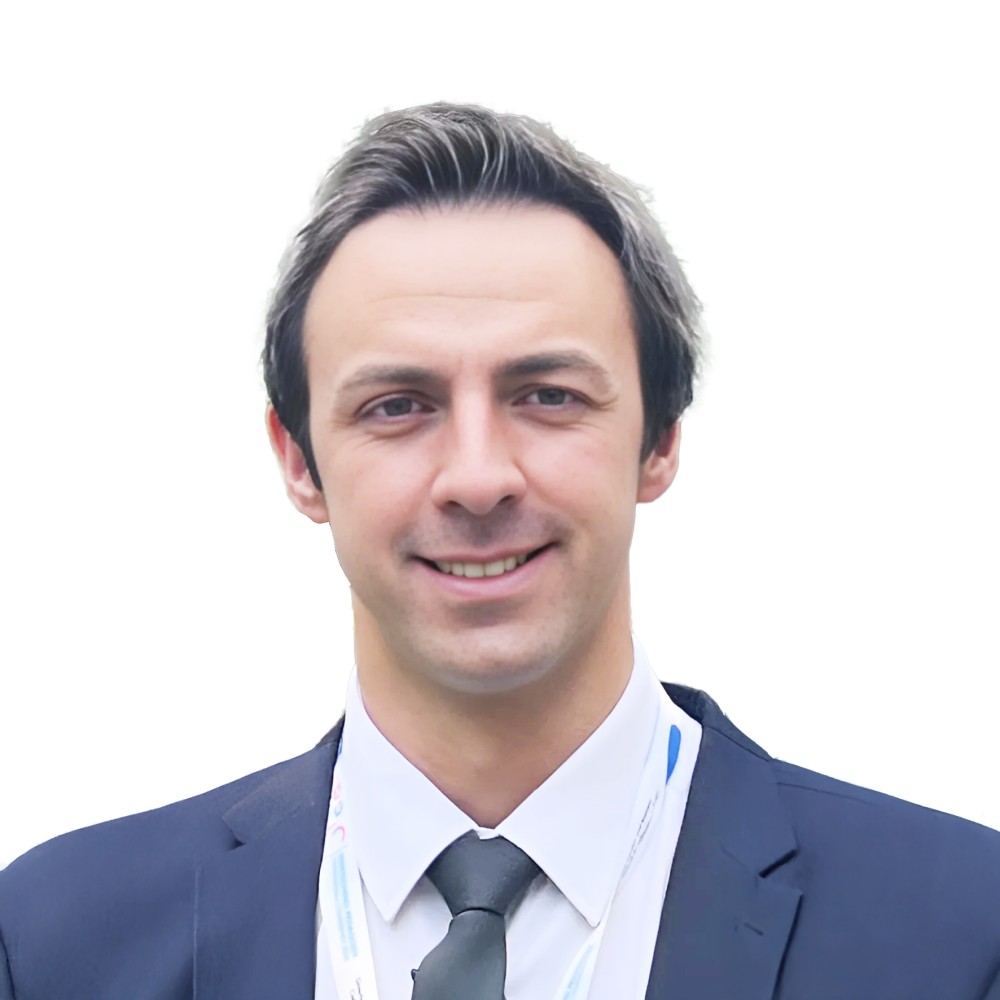
Mutlu Cukurova is Professor of Learning and Artificial Intelligence at the UCL Knowledge Lab, University College London, where he directs the UCLAIT research group and is affiliated with the UCL Centre for Artificial Intelligence. His work spans human–AI complementarity, multimodal learning analytics, and AI in education, comprising some 220 publications and over 17K citations. Editor-in-Chief of the British Journal of Educational Technology, he advises UNESCO, the OECD, the World Bank, and the European Commission, and co-authored the UNESCO AI Competency Framework for Teachers.
Panel: Three Speeds of AI Literacy →
Melanie Hughes is Curriculum Specialist, Technologies at the Australian Curriculum, Assessment and Reporting Authority (ACARA), where she leads the Australian Curriculum: Technologies — spanning Design and Technologies, Digital Technologies, and the Digital Literacy capability. An experienced Primary and Secondary teacher, she has worked across cross-sectoral technologies projects, served as a board member of ICTENSW, and was Senior Project Officer for ACARA's Digital Technologies in Focus project. Her career spans classroom teaching, curriculum leadership, and technologies integration, including roles as Education Consultant: Technologies and STEM with AISNSW and Senior Education Specialist: Technologies and STEM at the Australian Academy of Science.
Panel: Three Speeds of AI Literacy →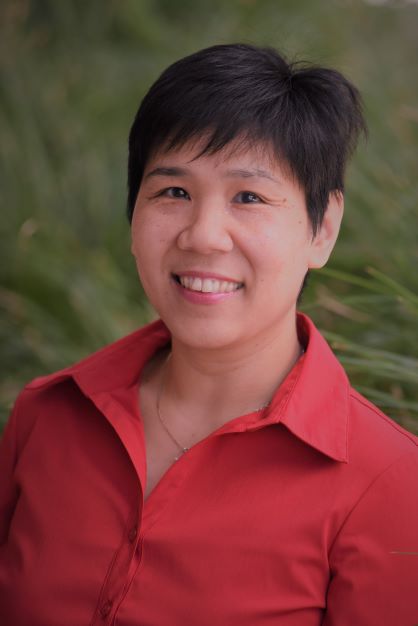
Lisa-Angelique Lim is a Lecturer with the Connected Intelligence Centre at the University of Technology Sydney. Lisa holds a PhD in Education specialising in learning analytics. Her research focuses on the human-centred co-design and implementation of learning analytics and AI tools that foster meaningful student experiences. Lisa works closely with educators in higher education with a mission to co-design learning analytics and AI interventions, recognising that learning analytics and AI are inherently socio-technical and must be embedded intentionally within institutional practice. Lisa has published her work in leading educational technology journals and the International Learning Analytics and Knowledge (LAK) conference.
Panel: Three Speeds of AI Literacy →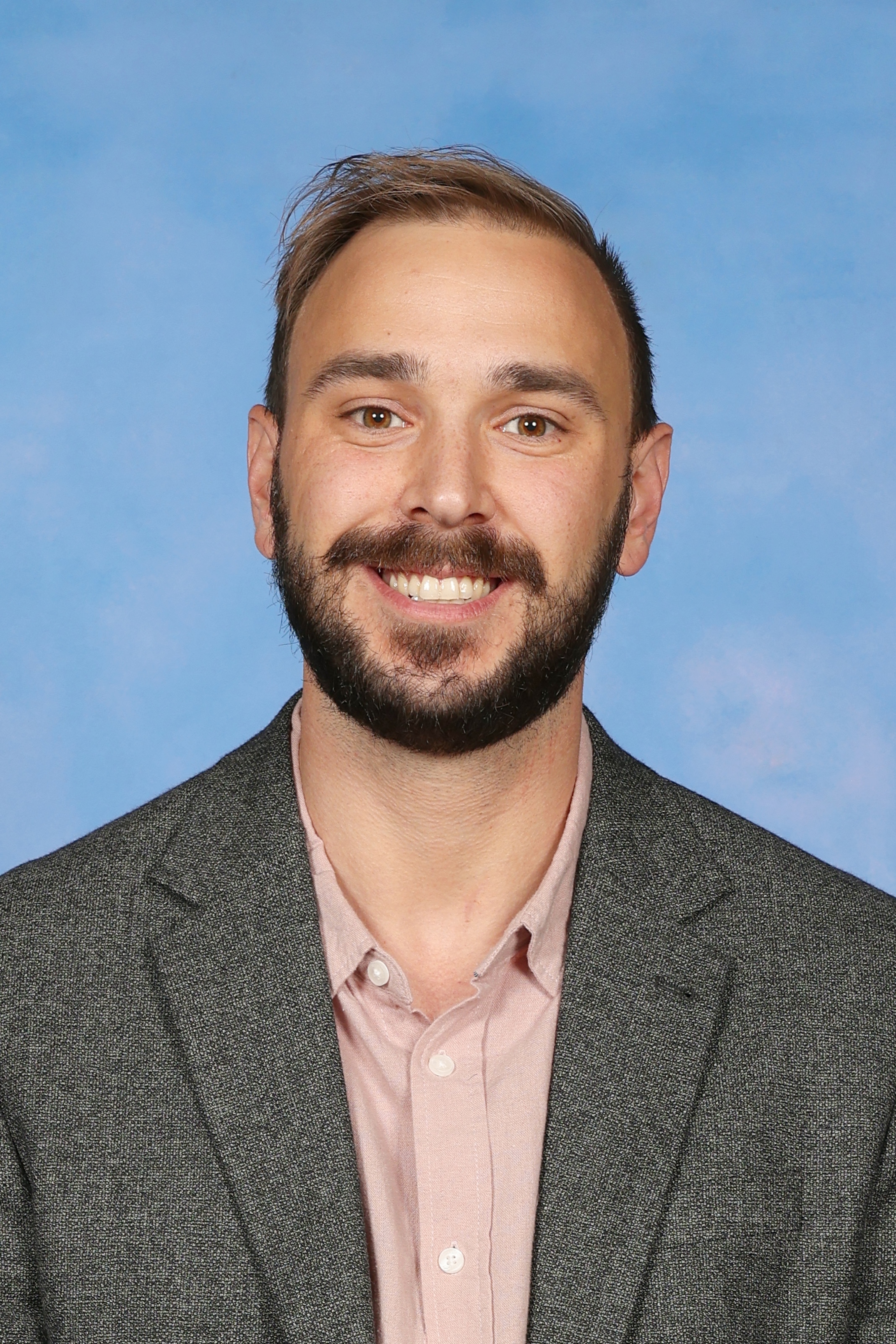
Adam Biggs is a member of the senior leadership team at St Michael's College, where as Director of Learning Platforms and Analytics he leads the College's learning, wellbeing, testing, and analytics platforms, and sets the strategic direction for AI adoption and sustainability. He works in partnership with leadership colleagues on academic integrity and ensures data from across the College, including SEQTA, Orah, and TrackOne Studio, is accessible and meaningful for staff. A classroom teacher since 2017, Adam currently teaches SACE Psychology, bringing both a teacher's lens and a strategic perspective to his work. He believes technology in schools should serve relationships, not replace them.
Panel: Three Speeds of AI Literacy →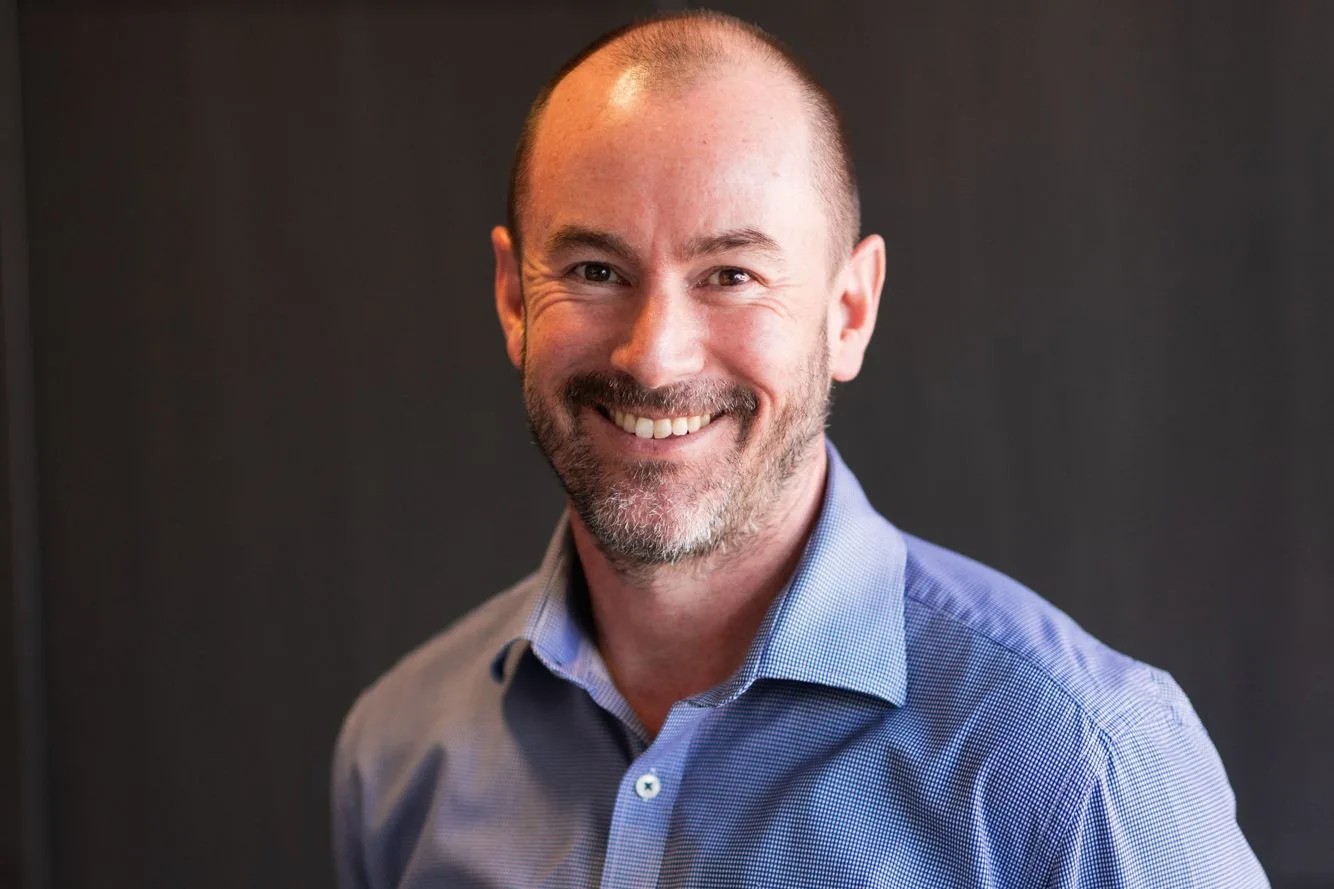
Sam Sellar is Dean of Research in the College of Education, Behavioural and Social Sciences (EBSS) and Professor of Education Policy at Adelaide University. Sam's research focuses on education policy, large-scale assessments and the datafication of education. He is currently co-investigator for an ESRC project investigating digital platforms in higher education (led by Janja Komljenovic, Lancaster University). Sam has published more than 70 books, book chapters and journal articles, and he is Lead Editor of Discourse: Studies in the Cultural Politics of Education. His forthcoming book is Algorithms of Education: How datafication and artificial intelligence shape policy, co-authored with Kalervo N. Gulson and P. Taylor Webb.
Plenary: Making Sense of Day One — and Navigating the Funding Landscape →
Shane Dawson is Pro Vice Chancellor of the College of Education, Behavioural and Social Sciences (EBSS) and Professor of Learning Analytics at Adelaide University. His current research focuses on complex systems and academic leadership to support the adoption and application of AI in education. Shane is a founding executive member of the Society for Learning Analytics Research and a past program and conference chair of the International Learning Analytics and Knowledge conference. With colleagues, he has helped develop several open-source tools for teaching staff, including OnTask, OVAL, and SNAPP.
Leading in Academia →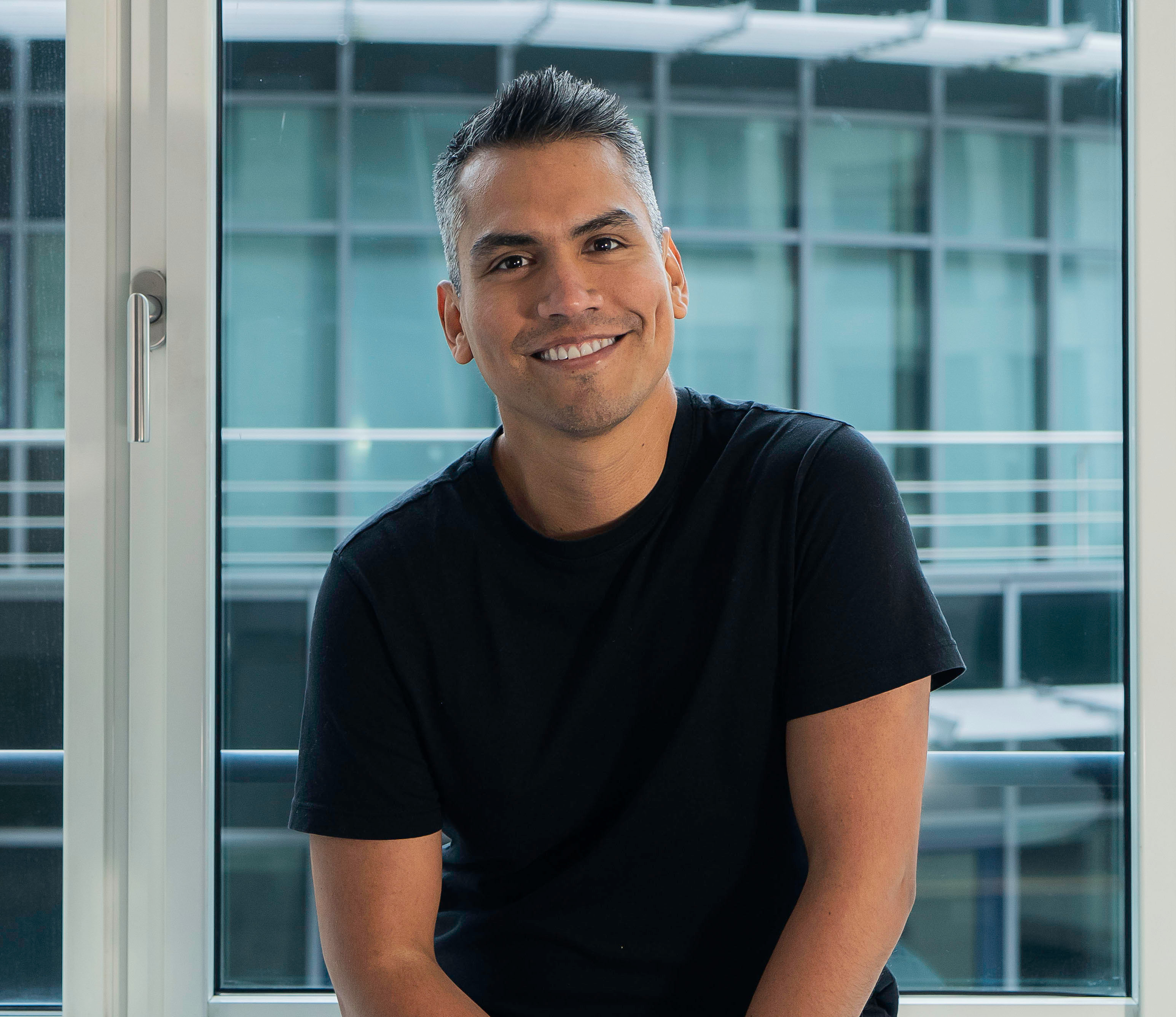
Eric Roldan Roa is leading research at the Center for Scalable Analytics and Artificial Intelligence of Leipzig University. His research focuses on the interdisciplinary nature between music and mathematics for K-12 education. As a doctoral candidate, he has been using design-based research to develop Play My Math, an EdTech solution advocating for a mathematical musician curricula and mindset where students could learn, apply, and embodied mathematics by transforming them into musical outputs throughout their basic education.
Design-Based Research in Action →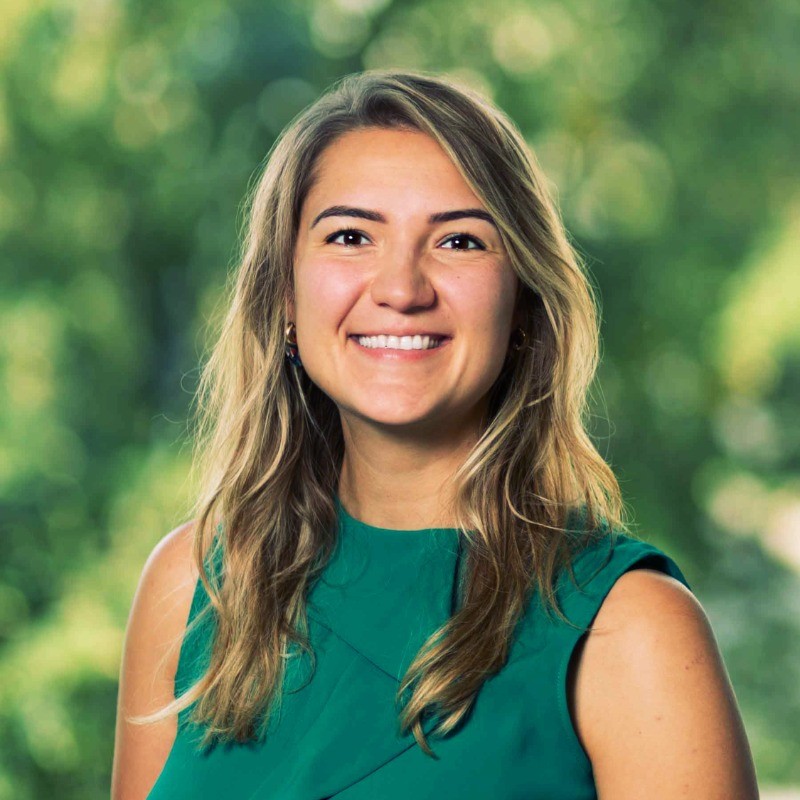
Dr Kristina Raave is a researcher in educational sciences at Leipzig University and a teacher by background. Her research focus lies in educational innovation and teacher training. She strives to actively bridge research and practice, drawing on her extensive international teaching experience.
The Sandbox Student →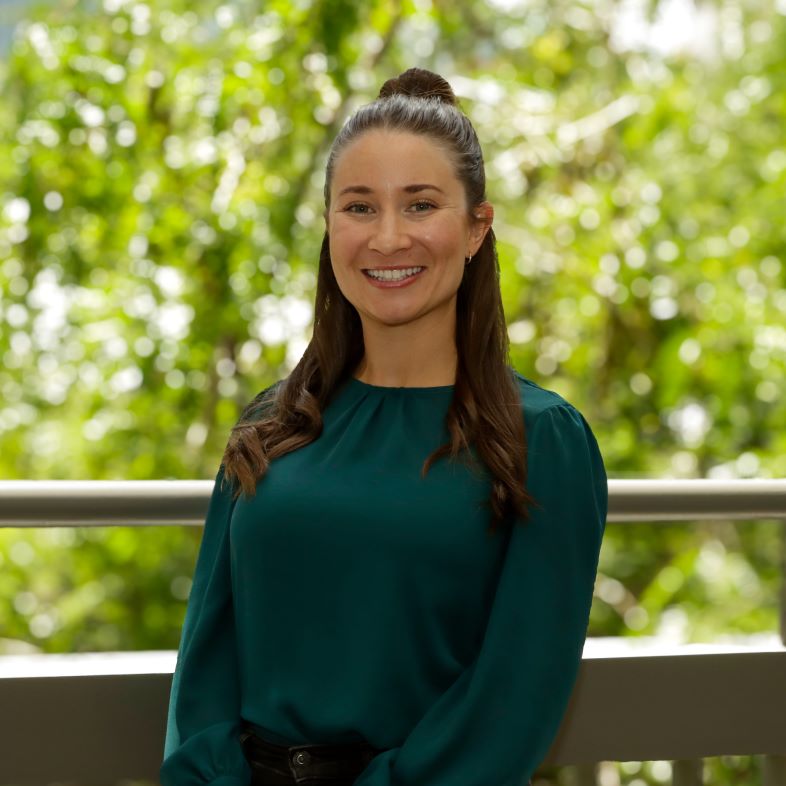
Dr Rebecca Marrone is a Senior Lecturer: Learning Sciences and Development for the Centre for Change and Complexity in Learning (C3L) at Adelaide University. She has a background in Educational Psychology, and her research is primarily in the fields of creativity, wellbeing, and human and artificial cognition. More specifically, Rebecca researches the impact of technology on wellbeing with a particular emphasis on how AI impacts teacher and student wellbeing.
Leading in Academia →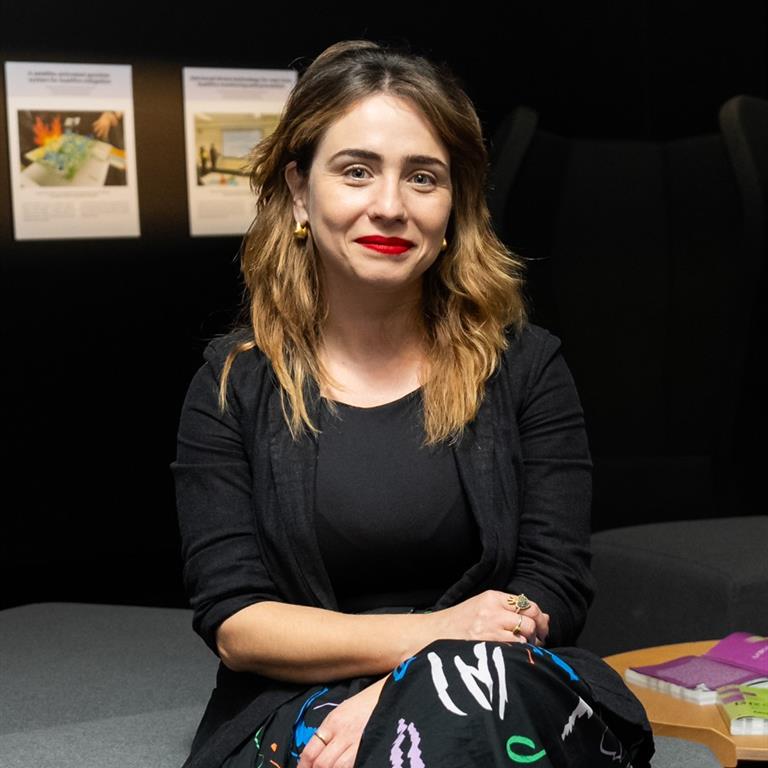
Dr Maria Vieira is a Lecturer in the School of Education at Adelaide University. She holds a PhD in STEM and a Master's degree in the Psychology of Creativity. As a member of the Centre for Change and Complexity in Learning (C3L), her research explores creativity, human–AI collaboration, and gender equity, with a particular focus on STEM fields in which women remain underrepresented. Her research has contributed to both theory and practice through partnerships with schools, industry, and museum spaces.
Leading in Academia →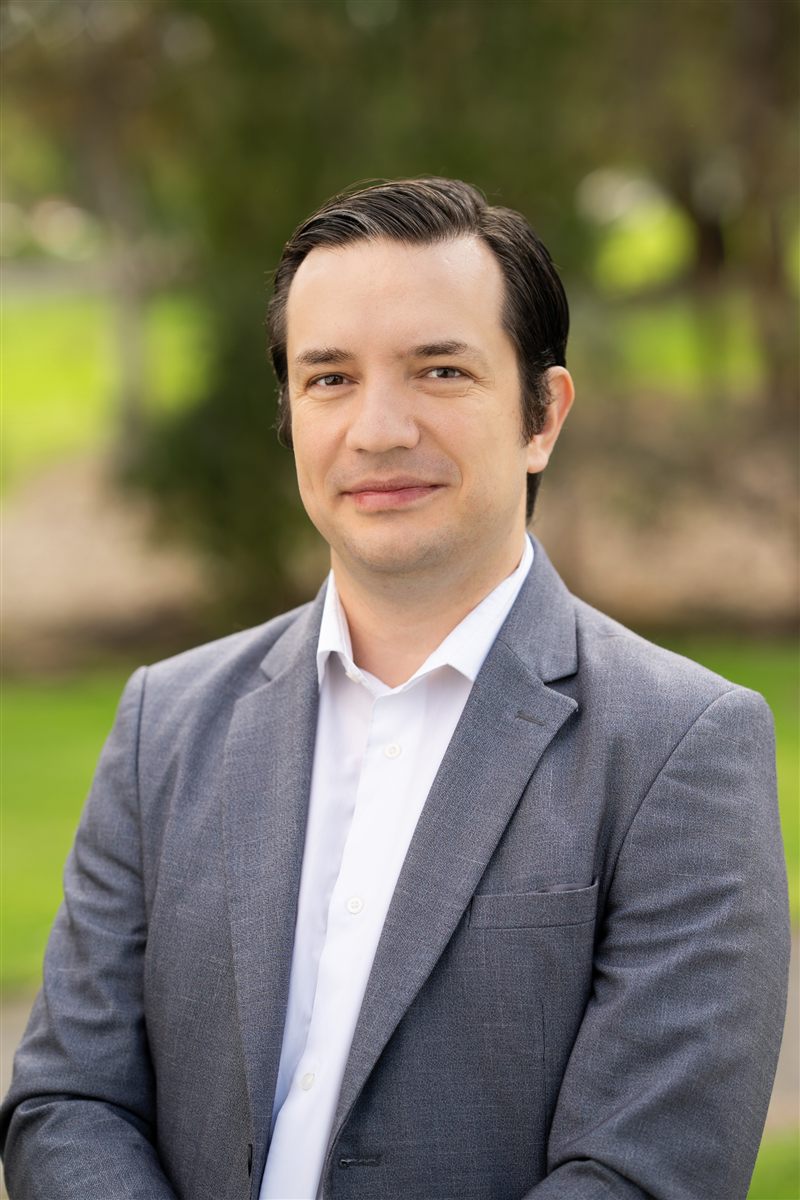
Professor Vitomir Kovanovic is Associate Director (Research Excellence and Communication) at the Centre for Change and Complexity in Learning (C3L) at the Adelaide University. His research focuses on Learning Analytics and Artificial Intelligence in Education, with the goal of developing new tools and systems to improve student learning. Recently, Prof Kovanovic has been leading the development of the Chatmate platform, an educational AI tool used at Adelaide University and several other schools and universities. He is also the Editor-in-Chief of the Journal of Learning Analytics (JLA) and an Associate Editor at the Higher Education Research & Development (HERD) Journal.
Deploy Your AI Agent →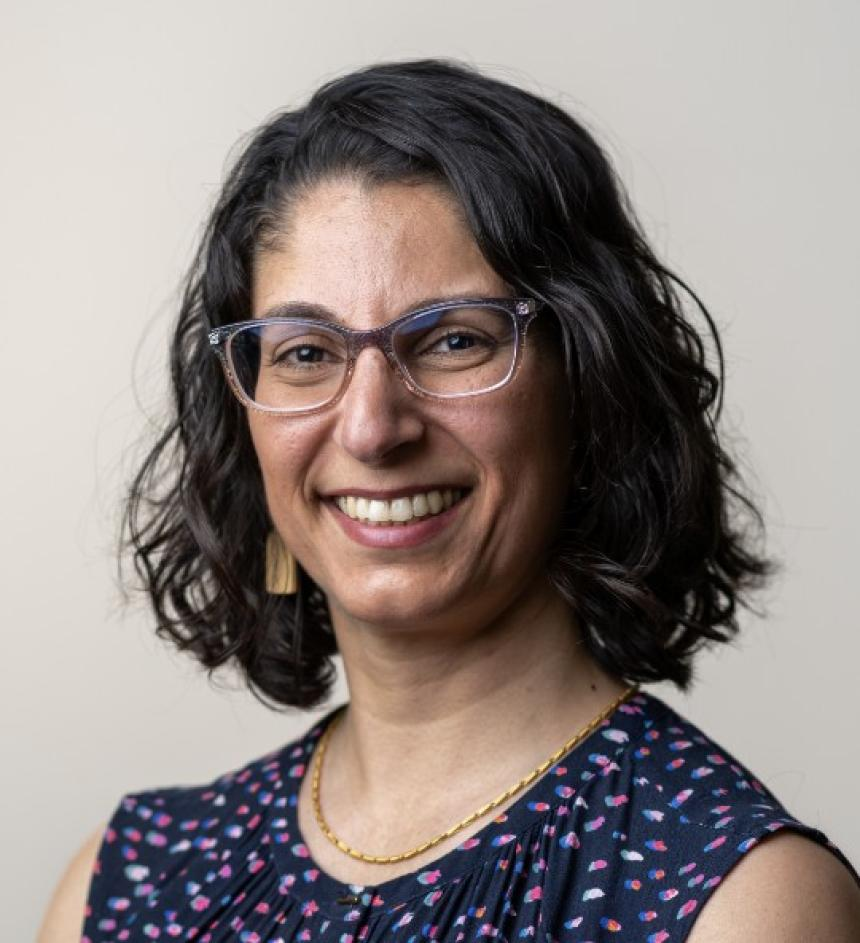
Negin Mirriahi is an Associate Professor and Academic Lead (Digital Innovation) in the School of Education at Adelaide University, Co-Director of the Higher Education Research Network, and a member of the Centre for Change and Complexity in Learning (C3L). She supervises PhD students investigating topics related to self-regulated learning, cognitive engagement, GenAI, and digital learning broadly. Negin's current research interests focus on learning analytics to inform pedagogical practice, GenAI use in higher education, digital learning, and staff development. Negin is also a reviewer for a number of educational technology journals and Co-Editor-in-Chief of the Learning Letters Journal.
Research Clinic: Design Your Next Move →
Prof Srecko Joksimovic is a researcher in learning analytics, learning sciences, and artificial intelligence in education, and Co-Director of the Centre for Change and Complexity in Learning (C3L) at Adelaide University. His research focuses on the design and use of digital technologies and AI to support learning, collaboration, and human development. His recent work places particular emphasis on metacognition and on understanding how learners monitor, regulate, and reflect on their thinking and learning. He is especially interested in how AI can support these processes through meaningful human-AI interaction, personalised learning, and the analysis of complex learning environments.
Evaluating AI Agents →
Oscar Blessed Deho is a Postdoctoral Research Fellow at the Centre for Change and Complexity in Learning (C3L), Adelaide University. His research spans ethical AI, learning analytics, and trustworthy data science. He develops fair, explainable predictive models for education, studying how bias emerges and can be mitigated without sacrificing utility. Oscar also investigates the privacy, utility, fairness, and fidelity of synthetic data generation, aiming to enable safe sharing and reuse of sensitive educational and institutional data. His work bridges algorithmic fairness, data governance, and responsible AI to support transparent, equitable, and privacy-preserving decision-making in learning systems and beyond.
Data Ethics in Education →
Daniel Ebbert is a Research Fellow at Adelaide University's Centre for Change and Complexity in Learning. In his doctoral research, he explored the intersection of self-regulated learning and mind wandering during video-based learning, specifically examining how learners adapt their learning processes after recognising mind wandering episodes. This research aimed to develop evidence-based recommendations for effective responses to mind wandering during learning. Following his PhD, he has begun researching educational technology to support cognitive and metacognitive processes during learning.
Build Your Own AI Research Assistant →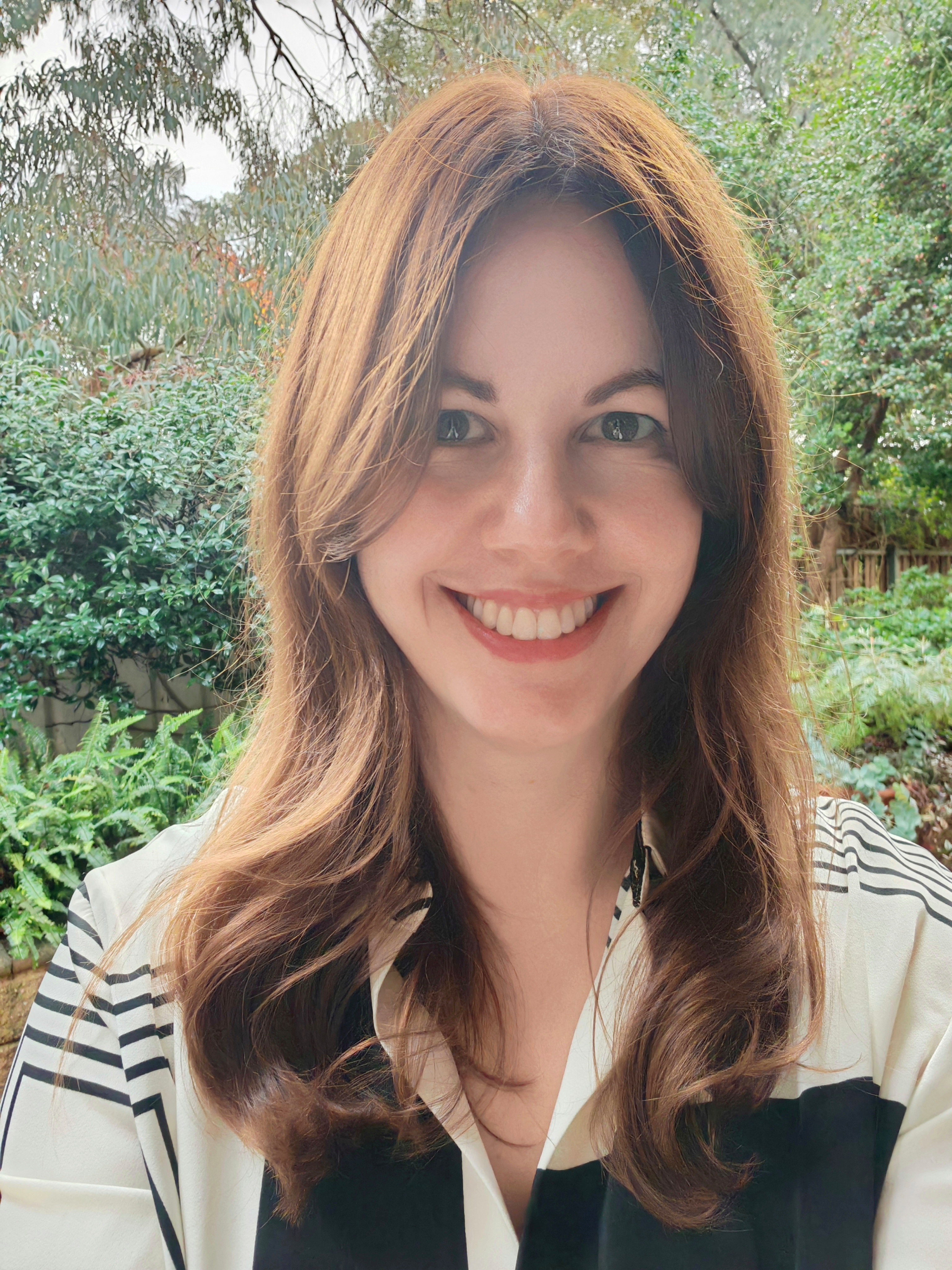
Dr Florence Gabriel is an Enterprise Fellow in education and a Senior Research Fellow at the Centre for Change and Complexity in Learning (C3L). She specialises in cognitive and socio-emotional aspects of learning and student well-being. Her research focuses on self-regulated learning, mathematics anxiety, and the use of technology to support learning. She has contributed to global education policy through her work with UNESCO and the OECD. She is also the co-Editor-in-Chief of Learning Letters.
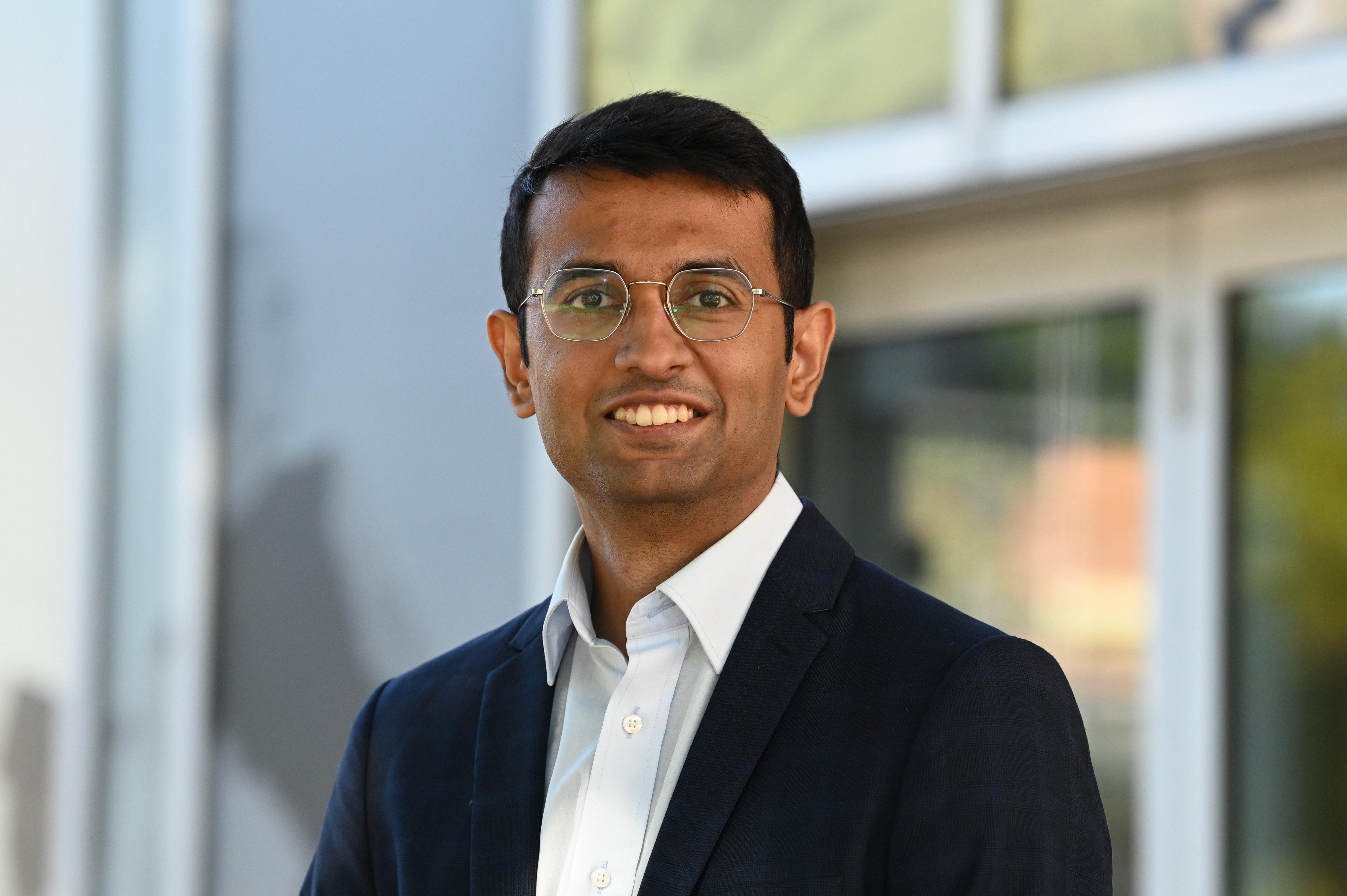
Abhinava Barthakur is a Senior Research Fellow in the School of Education at Adelaide University, affiliated with the Centre for Change and Complexity in Learning (C3L). He holds a PhD in Learning Analytics, and his research develops human-centred assessment models that generate diagnostic evidence of students' competency development in higher education and the workplace. He currently leads work on generative AI in assessment, using student–AI dialogue as an alternative source of evidence about student learning. He serves as Treasurer of the Society for Learning Analytics Research (SoLAR) and Associate Editor of the Australasian Journal of Educational Technology.
What Are We Actually Measuring? →
Dr Andrew Zamecnik is an early career researcher at Adelaide University's Centre for Change and Complexity in Learning (C3L). With a PhD in Learning Analytics, his research explores learners' teaming behaviours—such as team cohesion and psychological safety—in collaborative learning contexts. He champions real-time, AI-driven analytics that give instructors dynamic feedback and foster personal and social capabilities. Andrew has partnered with prominent research centres, international academics, and industry leaders, including a Gates Foundation–supported project credentialising lifelong learner achievements. His work spans K-12, higher education, and work-integrated learning, advancing innovative assessment for team behaviour development.
Real-Time Learning Dispositions in K-12 →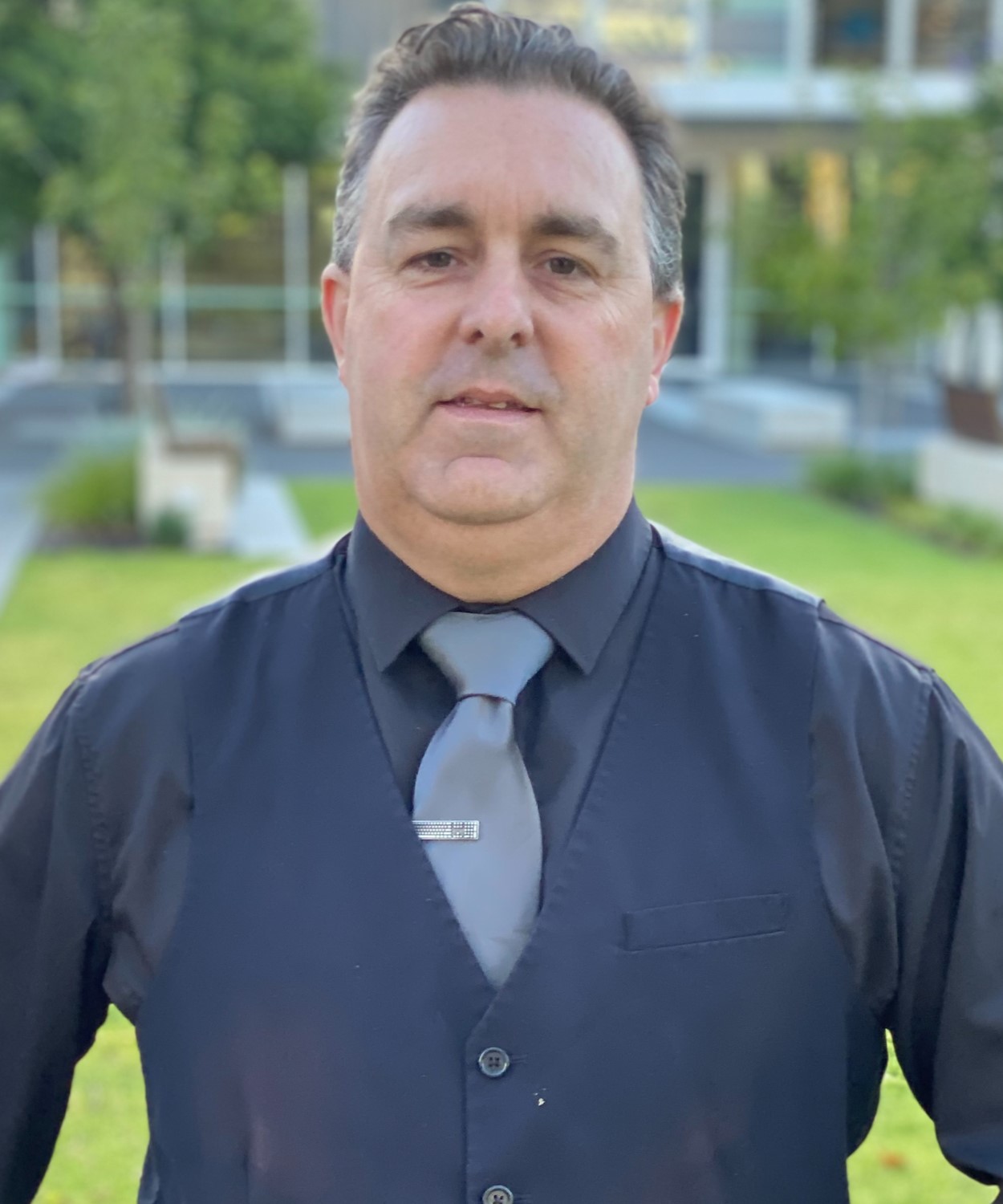
Jarrod Johnson is a Science and Technologies educator at Pulteney Grammar School and an Adjunct Research Fellow with the Centre for Change and Complexity in Learning (C3L) at Adelaide University. His work focuses on developing practical AI tools and pedagogical approaches that support teaching, learning, and academic integrity in the classroom. Through his collaboration with C3L, Jarrod helps bridge educational research and classroom practice by trialling innovative AI applications, collecting real-time classroom data, and evaluating their impact on student learning. He is passionate about helping educators adopt AI in ways that are ethical, practical, and evidence-informed.
Real-Time Learning Dispositions in K-12 →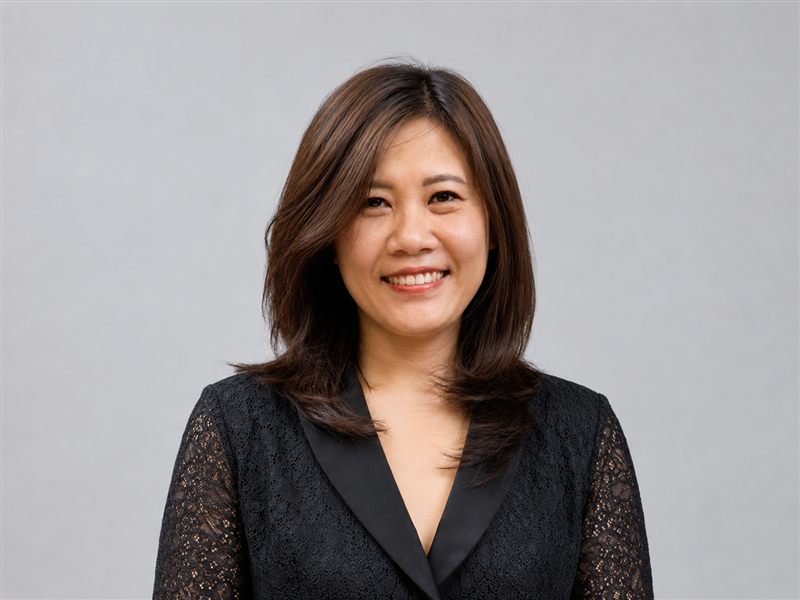
Phuong Pham holds a Master of Education from the University of New South Wales and is currently a graduate researcher at Adelaide University. Her PhD research examines how AI and data-driven technologies are reshaping workplace learning, with particular attention to developing a multidimensional scale for measuring AI- and data-mediated workplace learning conditions.
Designing Your Research Instrument →
Ryan Baker is Professor of Artificial Intelligence and Education at Adelaide University. He develops AI models that detect student engagement across diverse learning environments and co-developed an observational protocol used by more than 150 researchers in seven countries. His predictive analytics have benefited over two million students, and his MOOCs have reached more than 100,000 learners. Baker founded the International Educational Data Mining Society, serves as Associate Editor of the Journal of Educational Data Mining, and co-directs the JeepyTA learning platform. He also founded two master's programs in Learning Analytics. Baker has co-authored papers with more than 600 collaborators and has been cited over 40,000 times.
Coding Qualitative Data with AI →Further speaker profiles coming soon.